

Energy bills rise again in the new year. Ofgem announced on 25 November 2026 that the energy price cap will rise by 26% from 1 January to 31 March 2027.
For a typical household paying by Direct Debit for gas and electricity, the annualised figure goes from £1,723 to £2,166 if that level were sustained for a year. The BBC puts that at about £37 a month more. What you actually pay depends on how much energy you use, and this is usually the most expensive quarter of the year.
The rise is driven by higher wholesale gas prices, linked to the conflict in the Middle East. Ofgem says gas prices are rising more than electricity, reflecting the shift of power generation towards renewables. In the January cap, gas bills are up 33% on October, and electricity bills are up 19%.
Who the January energy bills rise affects
The cap applies to around 20 million households on a standard variable, or default, tariff. If you are on a fixed deal, your rates stay the same until it ends. The cap limits unit rates and standing charges. It does not set a maximum total bill.
From 1 January to 31 March 2027, the average Direct Debit rates across England, Scotland and Wales will be:
- Electricity: 32.69p per kWh, with a standing charge of 54.77p per day. VAT has been removed from electricity between 1 October 2026 and 30 June 2027, so these electricity figures do not include it.
- Gas: 10.96p per kWh, with a standing charge of 29.65p per day, including 5% VAT.
From 4 January, around 20 million English households in council tax bands A to D will get a £100 payment towards their energy bill, with equivalent payments in Scotland and Wales. Not every home will get it, and a good many Cotswolds properties sit in higher bands.
If you heat with oil or LPG, the price cap does not cover those fuels. Their prices still move with the market.
Gas, oil and a heat pump
If your home is on mains gas, the fuel rising fastest is the one you use to keep warm. Electricity is going up too, but by less.
A heat pump uses electricity to heat the house and hot water. That does not automatically make it cheaper to run than a gas boiler. It depends on the efficiency of the system and on your electricity tariff. A well-designed heat pump, especially on a cheaper off-peak tariff, can reduce your exposure to gas prices.
Our November comparison of heat pump and oil running costs used the previous quarter’s electricity rates, so treat it as a guide, not a quote for January.
Solar and a battery
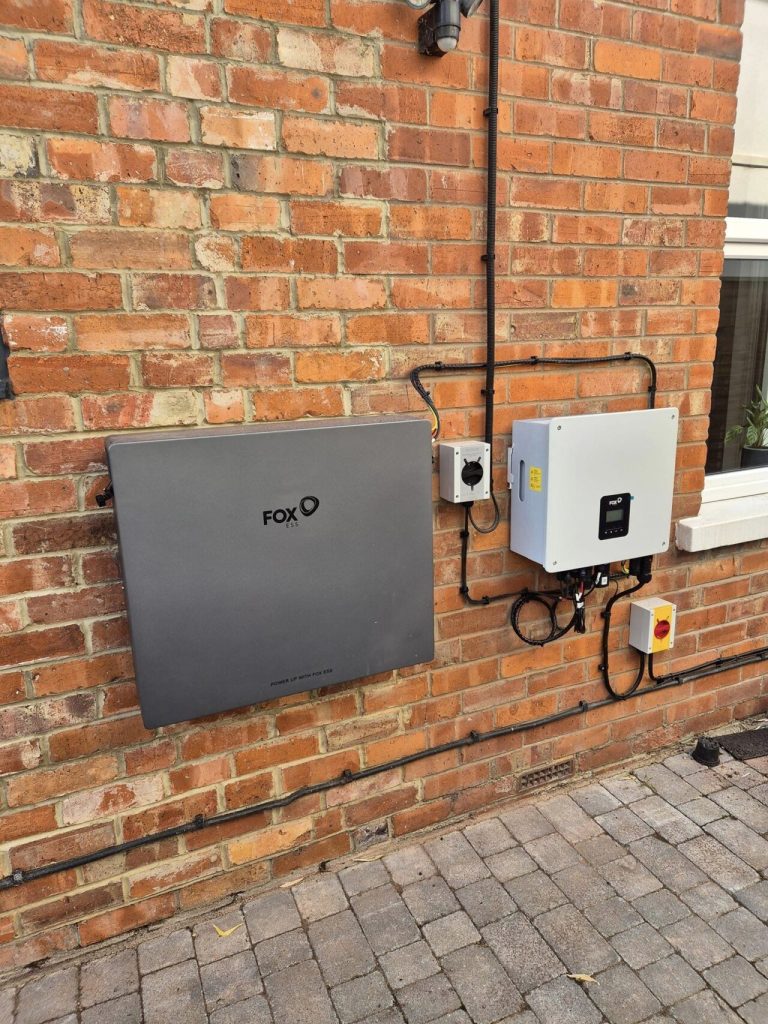
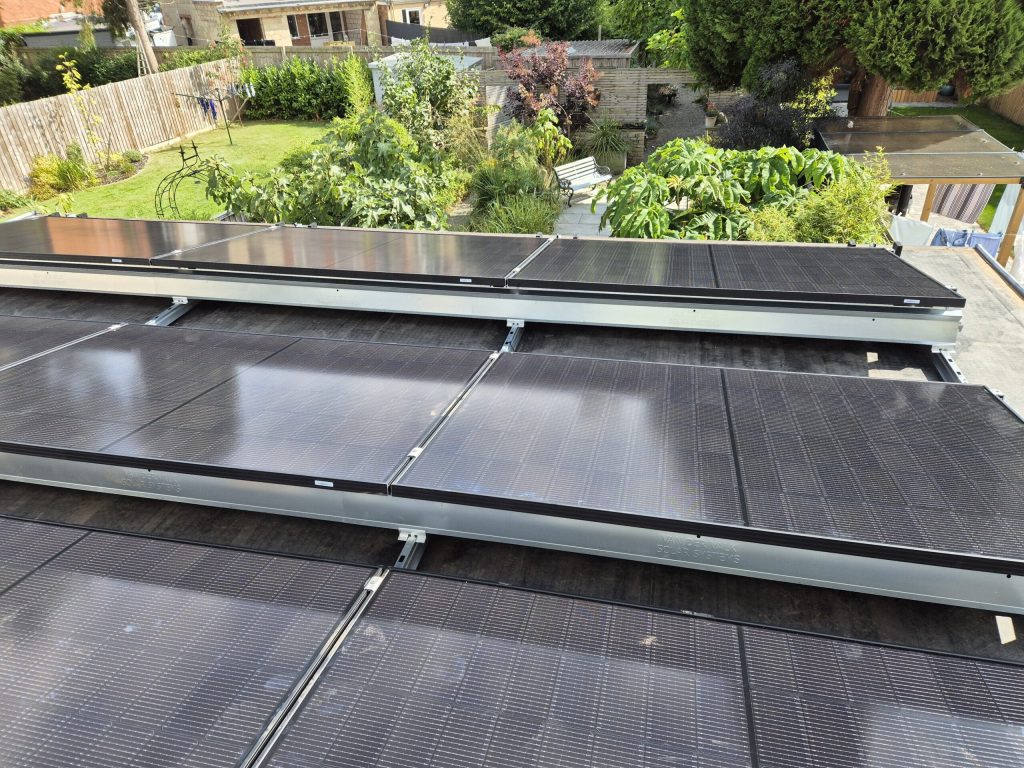
Solar panels make electricity on your own roof. A home battery stores what you do not use straight away, and can also charge from the grid on a cheap off-peak tariff, then cover the expensive evening period. That will not remove the standing charge, and it will not take you off the grid. It does cut how many units you have to buy at the new rates. If unit prices rise, each unit you generate or shift yourself is worth more.
Our guide to home battery payback explains where that works and where it is weaker, using last quarter’s cap rates. The strongest case is usually when solar, a battery and the heating are designed to work together. You do not have to do it all at once. Many homes start with solar and a battery, then add a heat pump when the boiler is due for replacement.
Grants and next steps
The standard Boiler Upgrade Scheme grant is £7,500 towards a heat pump. For off-gas-grid homes replacing an oil or LPG boiler, the grant is £9,000, and only until 31 March 2027. Heat pumps, solar panels and batteries for homes also have 0% VAT until 31 March 2027, due to rise to 5% after that unless the government extends it.
We design and install heat pumps, solar and battery storage across Cheltenham, Gloucestershire and the Cotswolds. To talk it through for your property, get in touch through our contact page or call 01242 323923. There is no obligation.
Figures from Ofgem and the BBC, 25 November 2026. The next cap, for 1 April to 30 June 2027, is due by 23 February 2027.