
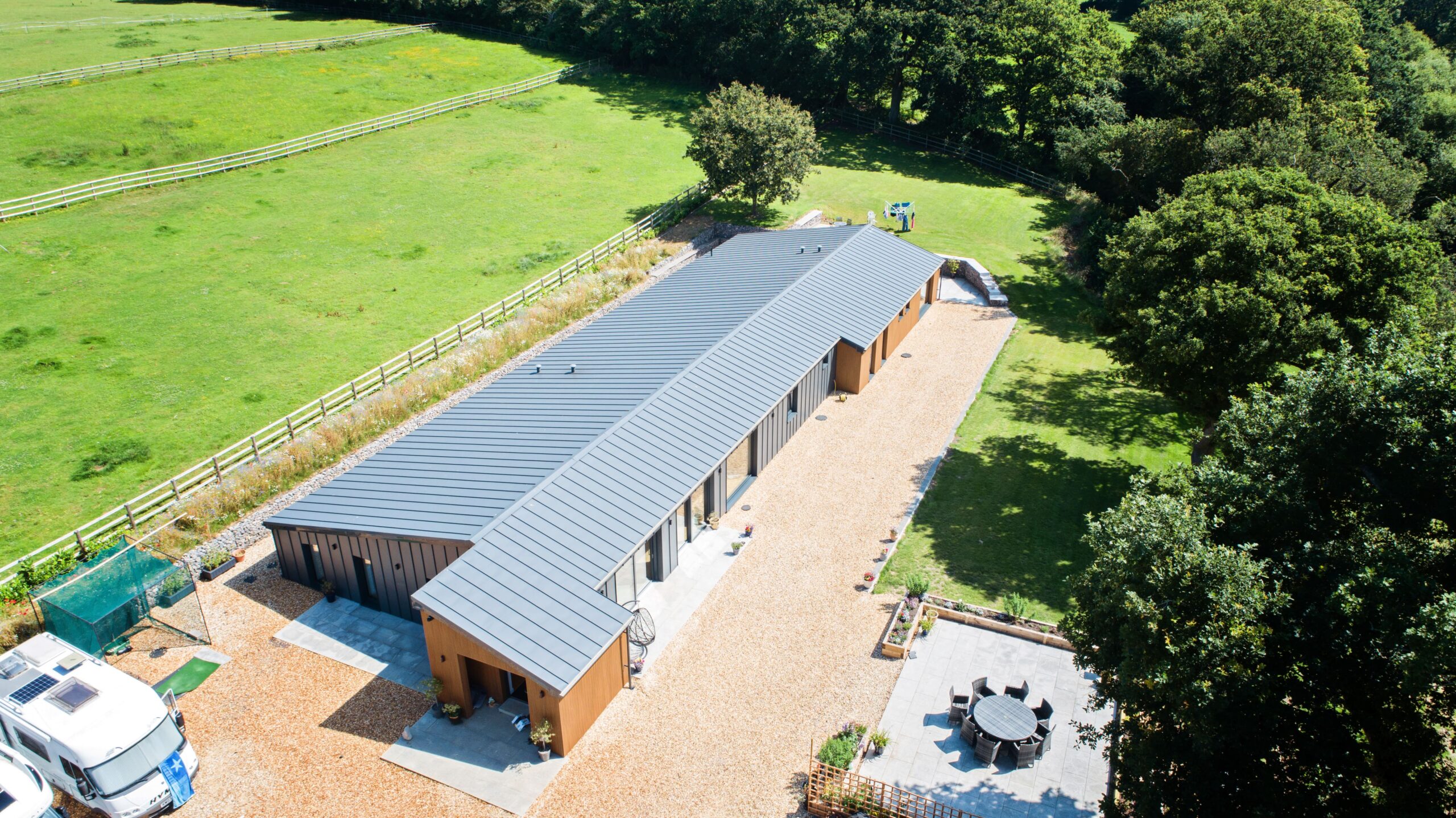
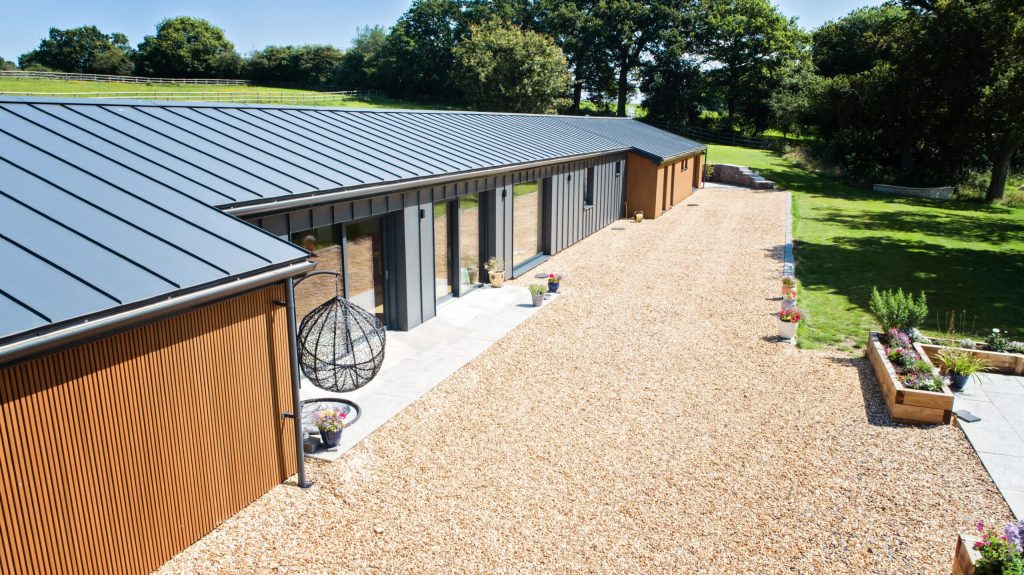
Bob and Tracy Dunn are experienced self-builders, working on a number of projects in the past. This particular project focused on the refurbishment of a barn with the intention of living there themselves. They wanted an energy efficient property with low running costs – so, big emphasis on renewable technologies – which brought them to PBT. This case study shows how we designed a barn conversion heat pump system to deliver exactly that.
At a glance
| Location | Malmesbury, Wiltshire |
| Property | Barn refurbishment by experienced self-builders, for their own home |
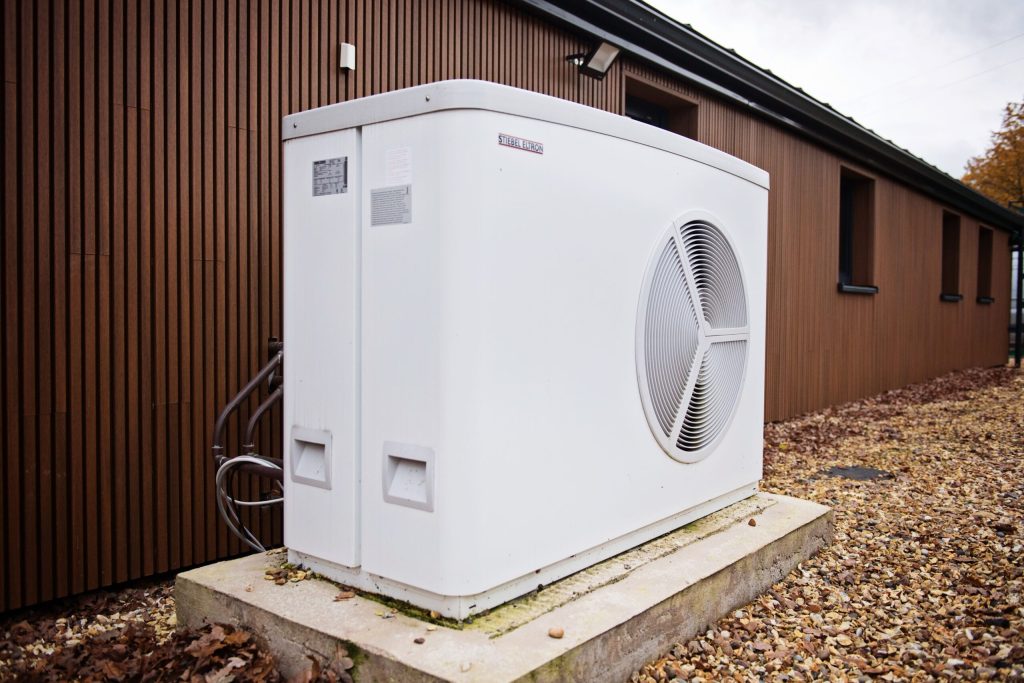
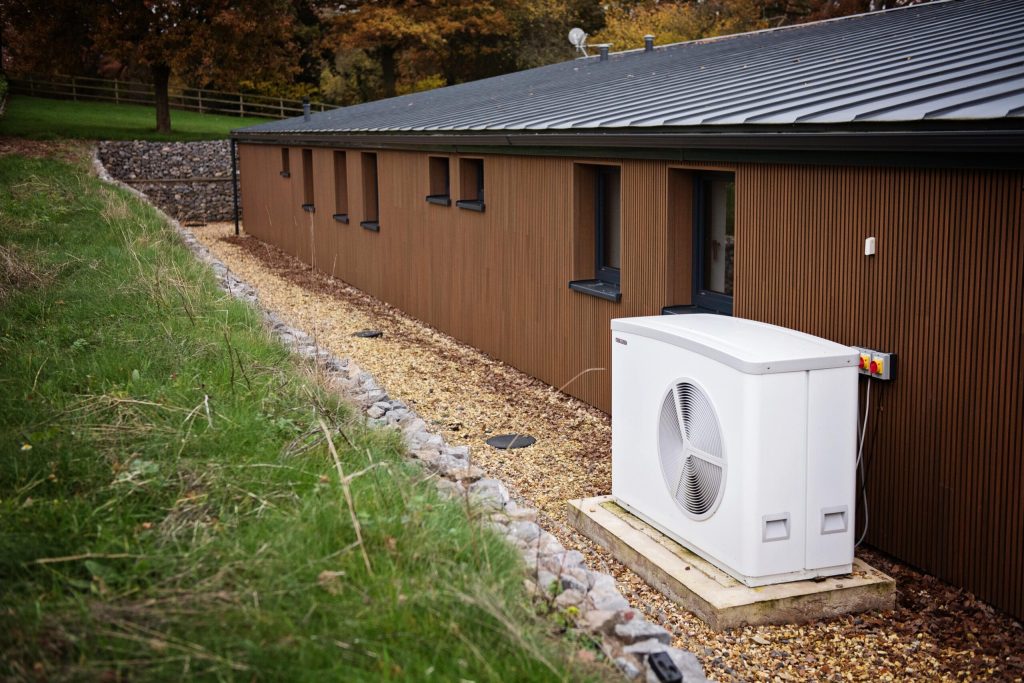
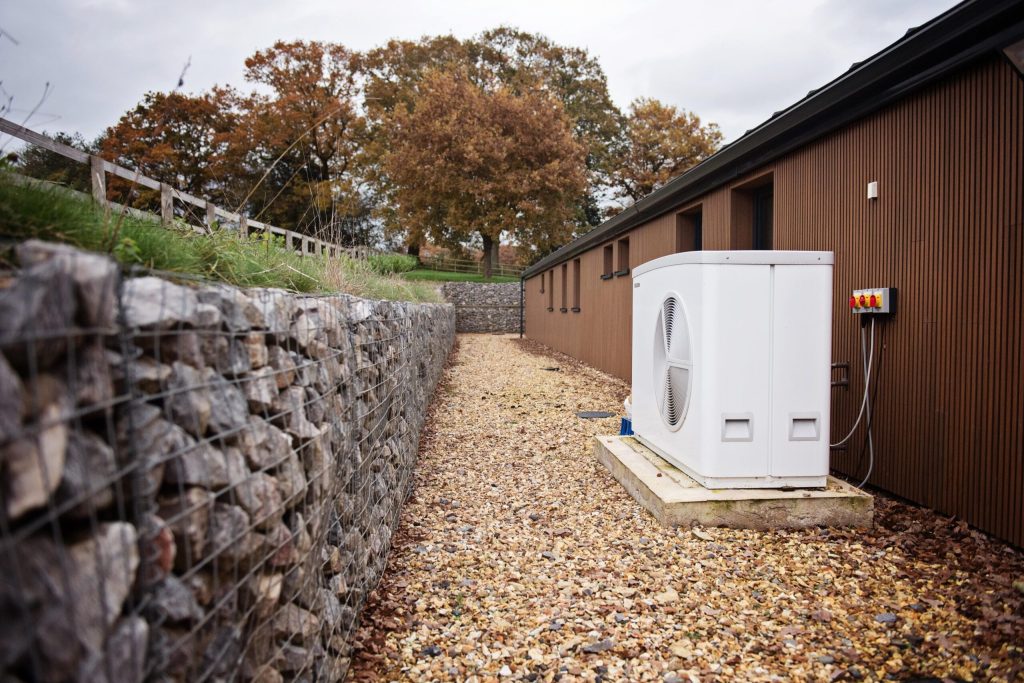
| Heat pump | Stiebel Eltron WPL 25 AS air source, chosen for size, efficiency and low noise |
| Heat emitters | Underfloor heating |
| Our work | Heat loss calculations, heat pump installation, first fix plumbing, underfloor heating, all plumbing and the paperwork for sign-off |
| Grant | Renewable Heat Incentive (RHI), which has since closed |
| Customer rating | 5 stars |
Choosing the right barn conversion heat pump
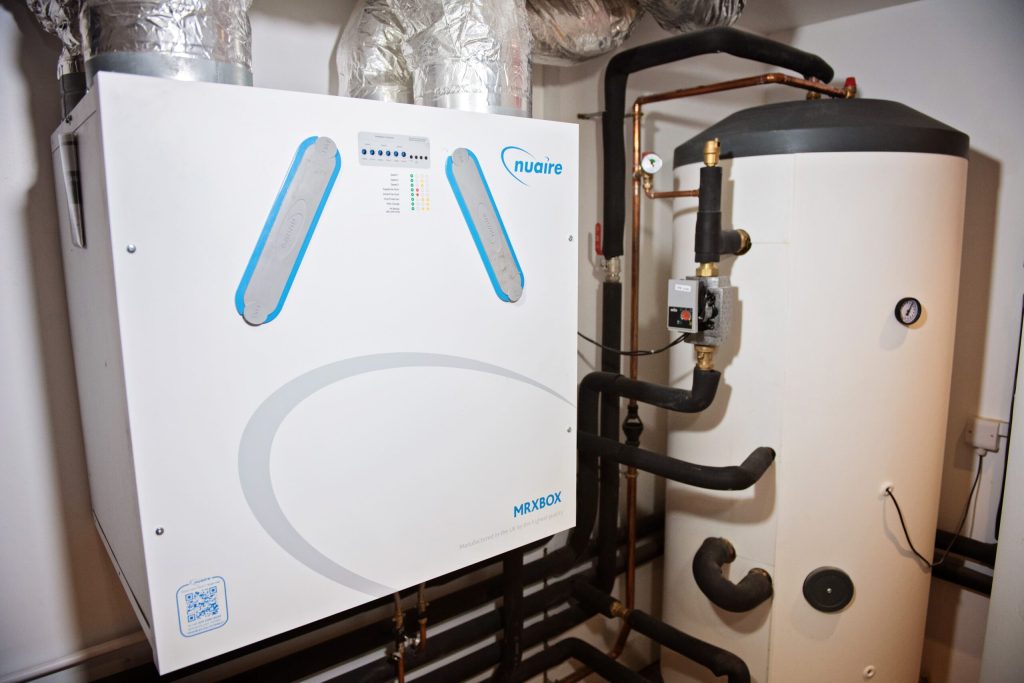
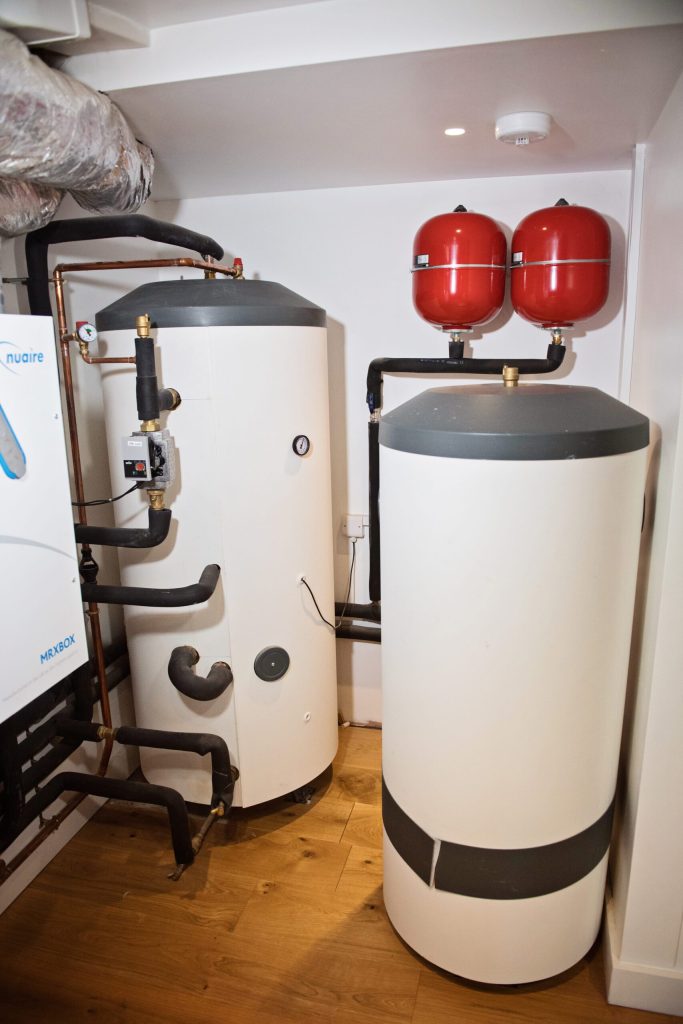
From PBT’s first meeting with the Dunn’s, their requirements were expressed to ensure that the right size, efficiency and noise level would be achieved from their heat pump. There are quite a few makes and models to choose from, but they decided on a STIEBEL ELTRON air source heat pump to serve their hot water and heating requirement.
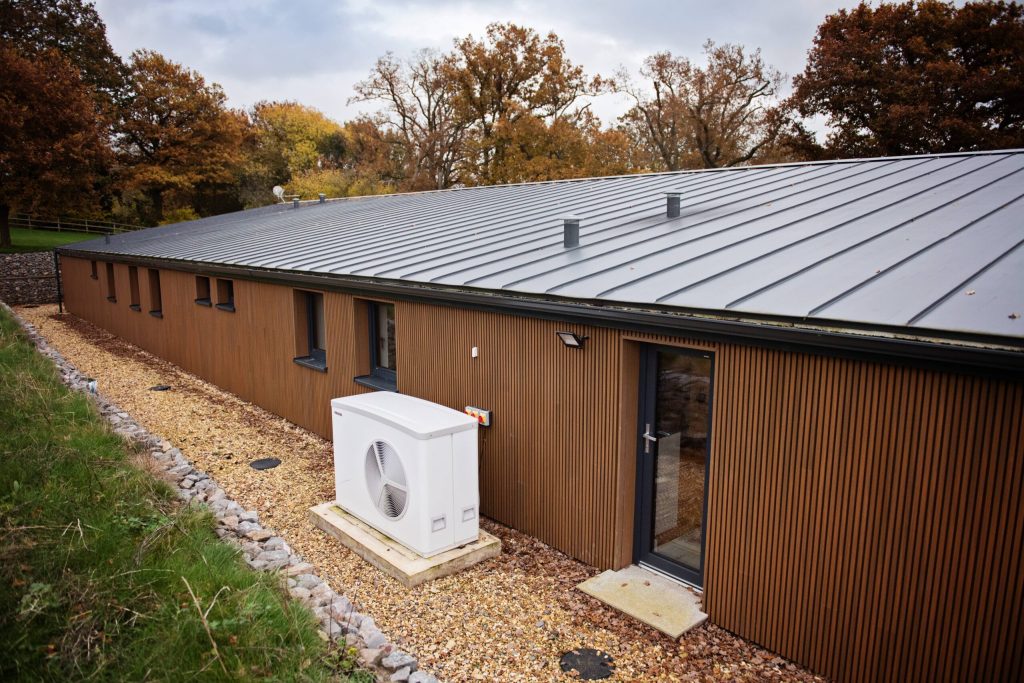
Due to their specification of an energy efficient property with low running costs, this decision had to reflect that; PBT provided the heat loss calculations to ensure this requirement was met. The size of the heat pump was also important due its potential location and the low noise level they were looking for. The WPL 25 AS from Stiebel Eltron was the best choice for all these factors and they are pleased they chose this model for their property.
How Did PBT Installations Help?
Along with the heat loss calculations, PBT provided the professional expertise and advice where needed. In particular, during the planning stage, we made sure the location of the heat pump was decided before the heat pump was chosen. This is so we could ensure that it was the right size as well as consider the noise level.
Additionally, we also delivered advice on whether to connect up to solar thermal panels or not and collaborated with the client, so they understood the final outcome for hot water and heating. Finally, we completed all the plumbing within the property and provided the paperwork for the Renewable Heat Incentive (RHI) sign off.
Why Were PBT Installations Chosen?
PBT Installations were chosen because of our technical expertise and experience. Even though this was the first time the Dunn’s had used PBT and an air source heat pump, they expressed that they felt confident in our team straight away.
As well as this, we are renowned for our aftercare and support services post-project. When they had further questions after installation, we could answer specific details by going online and logging into the system control panel.
Our work has been so highly commended by Bob and Tracy that PBT are working on the next project with Bob and Tracy.
Words from the Client
“From our first meeting with Pete at PBT, we felt extremely confident with his technical knowledge and support in installing our ASHP, first fix plumbing and UFH. His knowledge is fantastic and we never felt let down or nervous considering it’s the first time we have used both Pete and an ASHP system. Once the system was installed and up and running, Pete was efficient in producing the correct paperwork for sign off and the RHI scheme. When we have had a problem after install, he has been quick to respond and he can mostly sort it by just going online and logging into our ASHP system control panel. We have recommended Pete to a friend (who went ahead with an ASHP) and we are using him for another work development project. We can highly recommend with 5 stars.” – Tracy Dunn
Choosing where to put an air source heat pump
On this project, we agreed where the heat pump would go before choosing the model. Its position affects how big a unit will fit, how noticeable any noise is, how long the pipe runs to the cylinder are, and whether planning rules are met.
A good spot has plenty of free airflow around the unit, a solid level base, room for servicing, and is away from bedroom windows, both yours and your neighbours’. Getting this right at the start avoids compromises later.
Frequently asked questions
Are barn conversions suitable for a heat pump?
Yes, as long as the heat loss is calculated properly and the building is insulated to a sensible standard. Barns often have large, open spaces, which suit underfloor heating and the steady, low-temperature heat a heat pump provides.
How do I keep heat pump noise down?
Choose a quiet model, size it correctly so it isn’t working harder than it needs to, and place it carefully, away from windows and hard surfaces that reflect sound. We consider all three when designing a system.
Can you check my heat pump remotely?
If your system has an internet-connected controller, often yes. On this project, we could answer questions and sort most issues by logging into the system’s control panel online.
Related
Read more about air source heat pumps, see how we work with self-builders, find out how much a heat pump costs, or browse more projects.