
In most homes with solar panels, a battery and a heat pump, those are three separate pieces of kit. Each does its own job, but they don’t talk to each other. That’s the difference between fitting products and building a system. When they’re designed together, your home uses its own electricity first, stores the rest for later, and avoids buying from the grid at the most expensive times. Here’s how a solar battery and heat pump system works through a normal day.
In short
- Solar makes the electricity, the battery stores it, and the heat pump turns it into heat and hot water.
- An energy management system is the brain. It decides what runs when, based on the weather forecast, your tariff and your habits.
- Midday sun runs the heat pump and fills the battery. The battery covers the expensive evening peak.
- In winter, cheap overnight electricity does more of the work. In summer, solar does most of it.
- Solarwatt and Stiebel Eltron work together directly, which is why we install them as standard.
- You don’t have to do it all at once. Many homes build up in stages.
How solar, a battery and a heat pump fit together
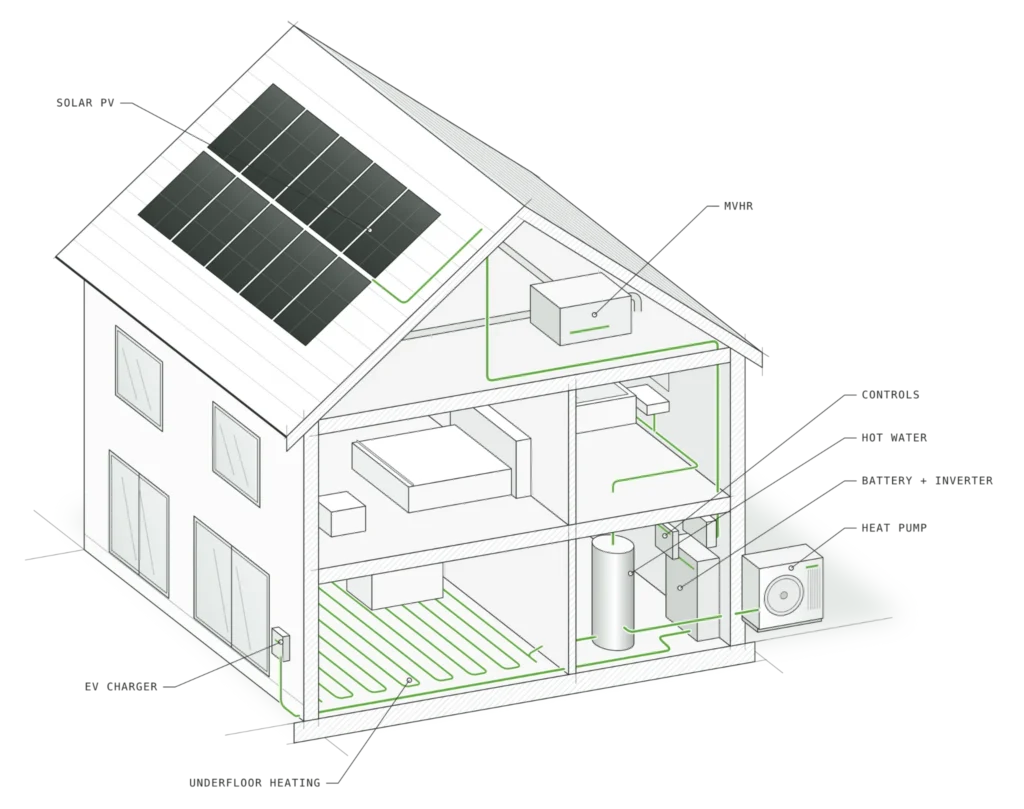
Solar panels make electricity while the sun is up. Anything you don’t use straight away would normally be exported to the grid for a few pence.
The battery keeps that surplus so you can use it later, usually in the evening. On a time-of-use tariff it can also charge from the grid overnight, when electricity is cheapest.
The heat pump heats your home and your hot water. It moves heat from the outside air rather than making it, so 1 kWh of electricity gives you around 3 kWh of heat. That makes it the biggest user of electricity in the house, and the one that benefits most from cheap or free power.
The energy management system ties it all together. It watches the weather forecast, your tariff and how your household uses energy, then decides what runs when. We typically use Solarwatt Manager or Loxone for this.
A day in the home
Here’s how a well-designed system shares out the work.
| Time of day | What’s happening |
|---|---|
| Morning | Energy stored in the battery covers breakfast and the morning heating. |
| Midday | Solar runs the heat pump, heats the hot water cylinder and tops up the battery. |
| Evening | The battery covers the peak, when grid electricity costs the most. |
| Overnight | The battery and any electric car charge on the cheapest tariff rate. |
The seasons change the balance. In summer, solar does most of the work and the battery may barely need the grid. In winter there’s far less sun and the heat pump works harder, so cheap overnight electricity plays a bigger part. The system plans around both, so you don’t have to.
Which tariff suits you depends on your home and your usage. We’ll talk you through the options as part of your survey.
Where Solarwatt and Stiebel Eltron fit
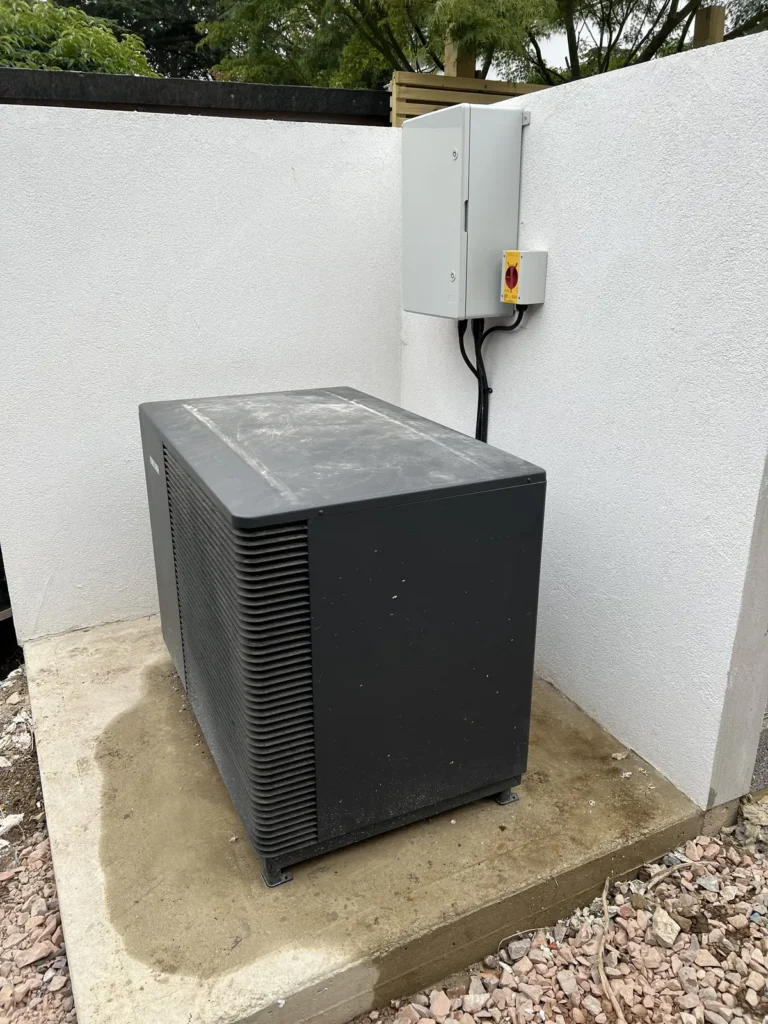
We install Solarwatt solar panels and Stiebel Eltron heat pumps as standard, and there’s a good reason for it. The two manufacturers have a direct technology partnership: Solarwatt’s Manager Flex energy management system talks directly to Stiebel Eltron’s EM Trend software.
In practice, that means:
- It plans ahead. When strong sun is forecast, the system can store extra heat in your hot water cylinder and heating buffer, ready for later.
- It uses your own power first. It runs the heat pump from your solar before it draws anything from the grid.
- It’s one setup, not an add-on. The integration doesn’t cost extra. It’s simply how we design the system from the start.
There’s one honest limit. The Manager Flex and EM Trend link needs Solarwatt panels and a Stiebel Eltron heat pump. If you already have panels from another brand, you can still add a heat pump or a battery, but they’ll run as separate systems rather than fully coordinated ones.
Which battery works best?
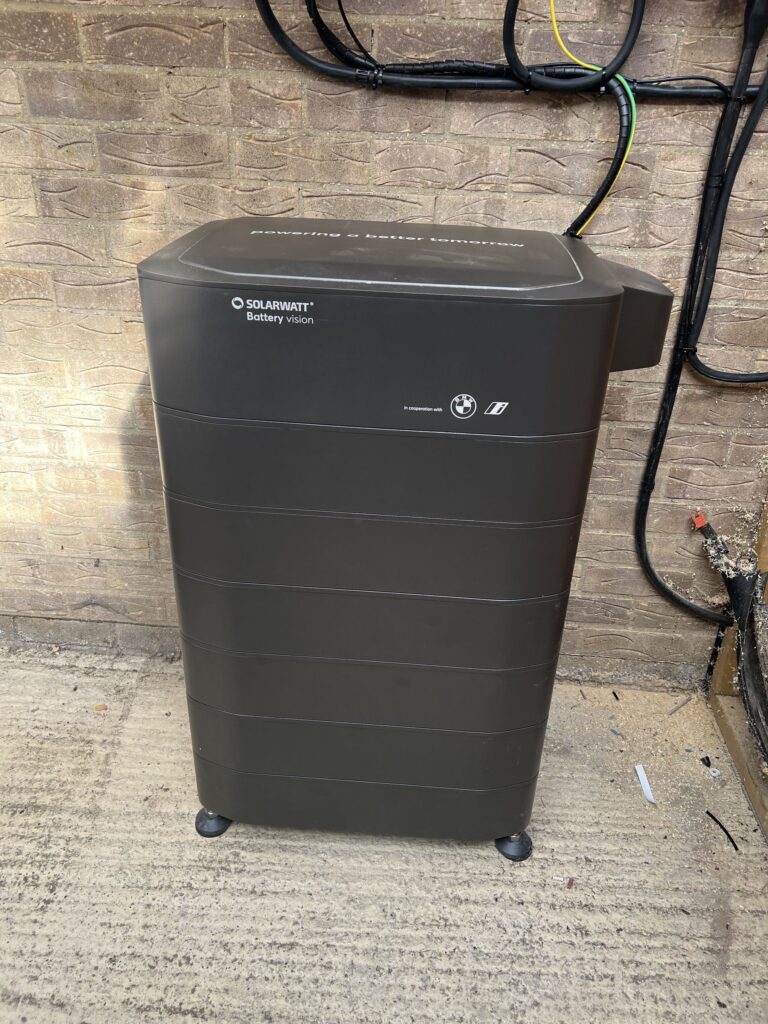
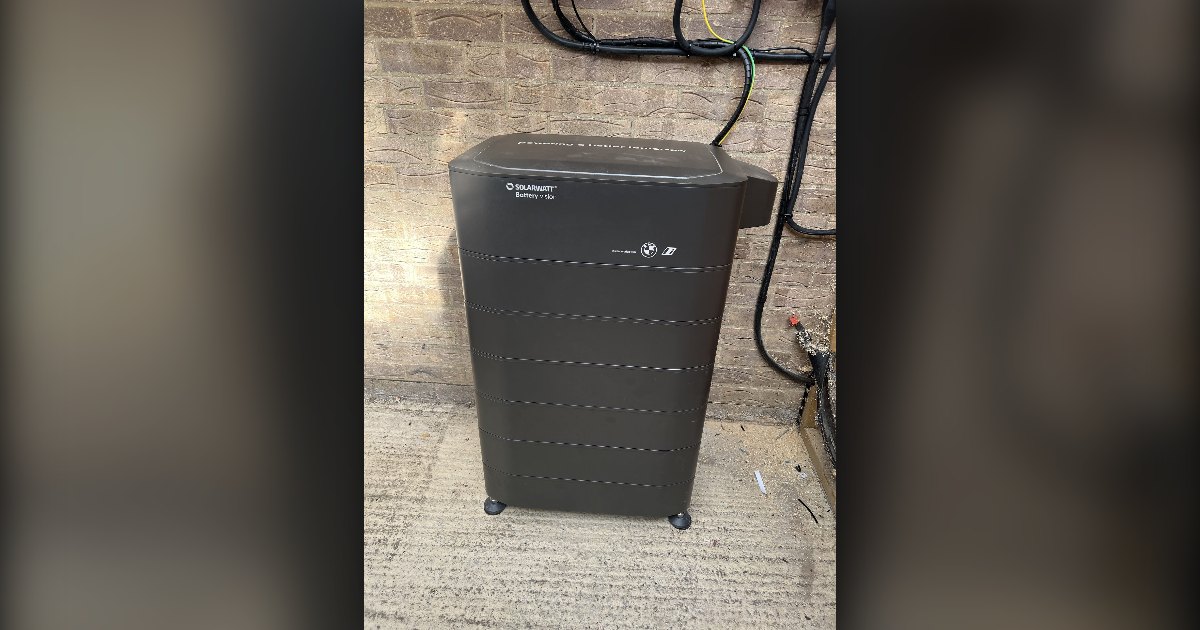
We fit Tesla Powerwall, Solarwatt and BYD batteries, with Victron inverters where a project needs them. The Tesla Powerwall 3 stores 13.5 kWh of usable energy and has a built-in solar inverter. The Solarwatt Battery vision is modular, so you can add capacity over time.
Heat pump homes usually benefit from a bigger battery, because heating demand is highest in winter when solar is weakest. Our guide to what size battery your home needs goes into the detail.
Do I need to do it all at once?
No. You can install everything together, or build up step by step to a plan we agree with you. A common order is:
- Solar panels and a battery first.
- A heat pump when your boiler is ready to be replaced.
- Controls to bring everything into one app.
If you’re building or renovating, planning all three from the start is usually cheaper than adding them later. Not sure where to begin? Our guide to which to install first walks through it.
From our projects
In our Cheltenham retrofit, a family’s heat pump, solar panels and battery work together, with the battery charged in cheap-rate periods on Octopus Cosy. At our directors’ own 1940s end terrace, solar, battery storage and EV charging are managed together by an energy management system. You can visit by appointment to see it working.
What does it cost?
Costs depend on the size of your home, your roof and which parts you choose. As a guide, battery storage typically costs from around £4,000 to £12,000 or more.
There’s currently 0% VAT on heat pumps, solar panels and batteries for homes, until 31 March 2027 (see the GOV.UK guidance on VAT for energy-saving materials). It’s due to return to 5% from 1 April 2027 unless the government extends it. The work needs to be supplied and fitted as one job, so if your installation could run close to the deadline, it’s worth booking your survey early. You may also be able to spread the cost with the Warm Homes Loan Scheme, and the Boiler Upgrade Scheme grant is available towards a heat pump.
Is it right for my home?
Not every home needs all three parts, and we’ll tell you honestly if something isn’t the right fit. Our survey looks at your roof, your electricity supply, your heating and how you use energy. Then we recommend what makes sense, and in what order.
Solar battery and heat pump FAQs
Can a heat pump run on solar power?
Yes. When your solar battery and heat pump are designed as one system, the heat pump runs on your own solar first during the day. The battery and cheap overnight electricity cover the rest, especially in winter when there is less sun.
Do I need a battery if I have solar and a heat pump?
You don’t have to have one, but it helps. Without a battery, solar you don’t use straight away is exported for a few pence. With one, you store it for the evening peak, when grid electricity costs the most.
Does a solar battery and heat pump system work in winter?
Yes. Solar produces less in winter, so the system leans more on cheap overnight electricity. The battery charges on the cheap rate and covers the expensive peak, and the energy management system plans around the weather forecast.
Can I add a heat pump to solar panels I already have?
Yes. If your panels are from another brand, the heat pump and battery will run as separate systems rather than fully coordinated ones. With Solarwatt panels and a Stiebel Eltron heat pump, they work together directly.
Do I have to install everything at once?
No. Many homes start with solar and a battery, then add a heat pump when the boiler is due for replacement. If you are building or renovating, planning all three at once is usually cheaper.
Get a system that works as one
We design and install solar, battery storage and heat pumps across Cheltenham and Gloucestershire, as one joined-up system. Tell us about your home and we’ll suggest a setup that suits it, with no obligation.
Book a free survey, call 01242 323923 or email [email protected].
PBT Installations: MCS certified (26427), NAPIT registered, TrustMark endorsed.