
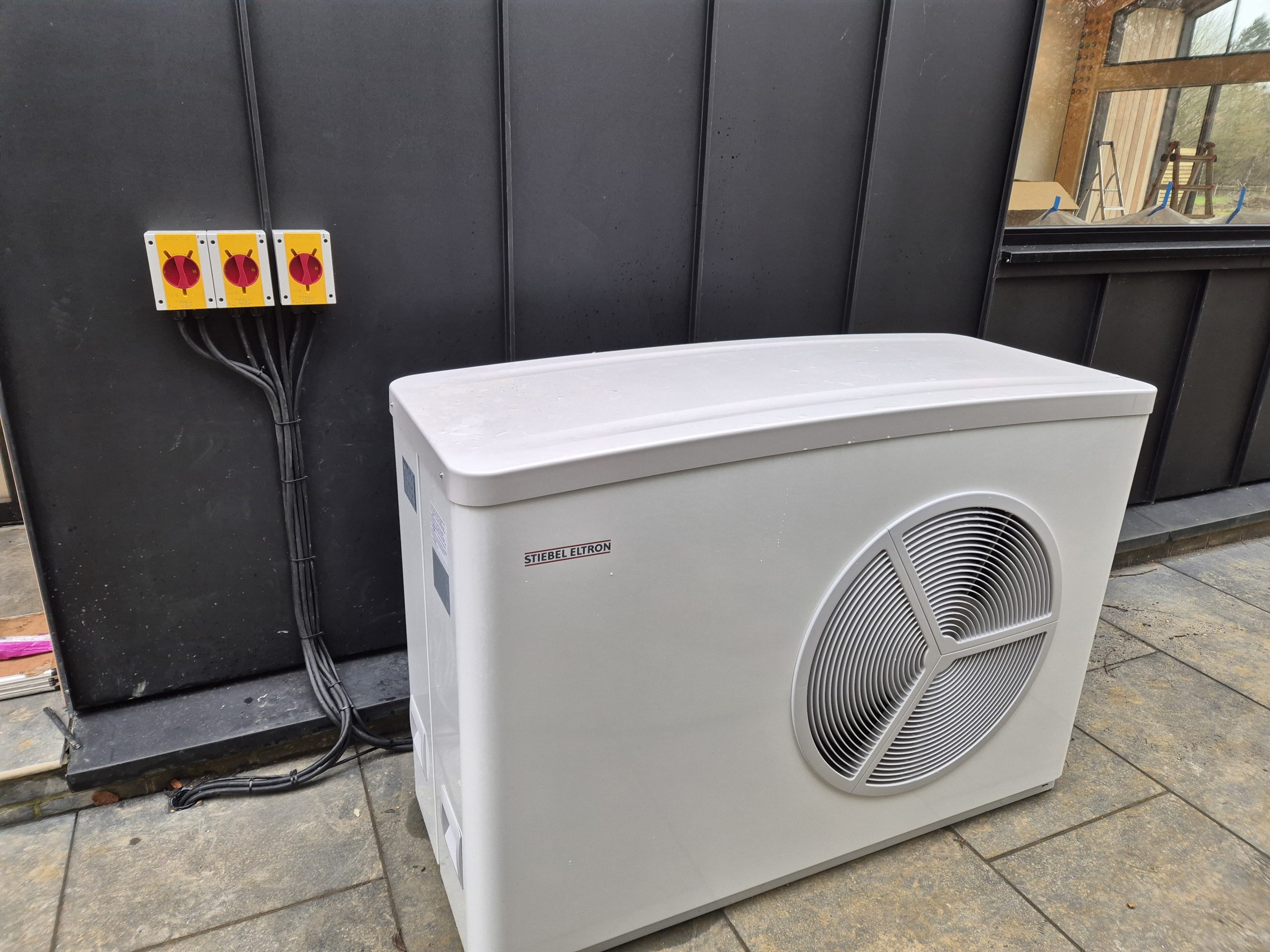
The government’s new Warm Homes Loan Scheme lets homeowners borrow for a heat pump, solar panels or a battery at a lower interest rate than a normal loan. It launched on 26 October 2026, and it can be used alongside the heat pump grant. Here’s how it works, who can apply, and what to check before you borrow.
In short
- Cheaper loans for low-carbon upgrades: up to 5 percentage points below a lender’s normal rate, and in some cases 0%.
- You apply to a lender, not the government, either directly, through your mortgage provider or through your installer.
- It works with the heat pump grant. The loan can cover the cost above the £7,500 grant, or £9,000 for oil and LPG homes.
- Check the terms carefully. Some loans are secured on your home, and longer loans cost more overall.
What is the Warm Homes Loan Scheme?
The Warm Homes Loan Scheme is part of the government’s Warm Homes Plan. Approved lenders offer loans for energy upgrades, and the government gives them a grant of up to 20% of each loan, which they pass on to you as a lower interest rate. The rate can be up to 5 percentage points below the lender’s usual rate, but never below 0%.
Because the government’s contribution is capped, the discount is biggest on shorter loans. Over very long terms, the saving gets smaller and you pay more interest in total.
What can you borrow for?
| Upgrade | Maximum loan |
|---|---|
| Air source heat pump (air to water) | £20,000 |
| Ground source or water source heat pump | £35,000 |
| Solar panels | £15,000 |
| Battery storage | £15,000 |
| Heat network connection | £7,500 |
| Domestic wind turbine or micro hydro | £20,000 |
You can borrow for more than one upgrade, for example a heat pump with solar panels and a battery, designed together as a whole-home system. Not sure where to start? Read solar, battery or heat pump: which to install first. Insulation, windows, doors and gas, oil or LPG boilers aren’t covered. Loans for air-to-air heat pumps (up to £10,000) are planned but not available yet.
Who can apply?
- You must own the property, with or without a mortgage.
- It must be a home, not a commercial property, in the UK.
- You’ll need to pass the lender’s credit and affordability checks, and lenders can add their own rules.
- The work must usually be done by an MCS-certified installer. You can’t do it yourself. PBT Installations is MCS certified (26427).
If you’re on a low income, you may be able to get improvements for free through the Warm Homes: Local Grant instead.
How it works with the heat pump grant
The Boiler Upgrade Scheme gives £7,500 off an air source or ground source heat pump in England and Wales, or £9,000 if you’re replacing oil or LPG heating, until 31 March 2027. The grant was unchanged in the Autumn Budget.
The grant comes off your quote first. A Warm Homes loan can then cover the rest of the cost. You can’t use a Warm Homes loan and other government funding to pay for the same cost, apart from the Boiler Upgrade Scheme and, in Scotland, Home Energy Scotland grants. Read more in our guide to the heat pump grant after the Budget.
How to apply
You apply to a lender, not to the government. You can apply directly to a lender, through your mortgage provider, or through your installer if they arrange finance. The loan product should say that it’s funded through the Warm Homes Loan Scheme.
At launch, GOV.UK lists ten lenders: HomeServe Finance, Hometree Finance, The Money Co-Op, Propensio, Secure Trust Bank, Selina Finance, South Manchester Credit Union, Sunsave Energy, Tandem Bank and This Bank. More are expected to join. Check the current list on GOV.UK.
We’d suggest getting a survey and quote first, so you know exactly what you need to borrow and which upgrades make sense for your home. Book a free survey with us: we’ll give you a clear, itemised quote with the grant shown, and we apply for the Boiler Upgrade Scheme grant on your behalf.
Why it’s worth planning now
- Two deadlines on 31 March 2027. The £9,000 grant for oil and LPG homes drops to £7,500 after that date, and VAT on heat pumps, solar panels and batteries goes from 0% back to 5%. A survey, design, grant application and installation all take time, so it’s worth starting well before the new year.
- Lower borrowing costs are available now. The Warm Homes Loan Scheme is new, and it reduces a lender’s usual rate in a way the grant alone can’t. With the grant taken off first, you only need to borrow the remaining cost. The scheme’s terms and lenders could change over time.
- Running costs are moving in favour of electric heating. The Budget extended the VAT cut on household electricity to July 2027. From 2027, gas standing charges will move into the price per unit of gas, so homes that use a lot of gas will pay more for each unit, and energy analysts have forecast a rise in the price cap in January.
- Plan a replacement, rather than face an emergency. If an old oil, LPG or gas boiler fails in the middle of winter, a like-for-like boiler is often the only quick fix. A heat pump needs a survey and design first, so planning ahead keeps your options open.
- Do it all at once. A Warm Homes loan can cover more than one upgrade, so a heat pump, solar panels and a battery can be designed and installed together as one system, with one survey and one installation.
- Installers will be busy early next year. With both deadlines on the same day, demand is likely to peak in early 2027. Booking a survey now gives you more choice of installation dates and time to get the design right.
Planning ahead doesn’t mean rushing. A well-designed system matters more than beating a deadline, and borrowing is a commitment, so check the points below before you take out a loan.
What to check before you borrow
- Is it secured on your home? Some products are second-charge mortgages, which means your home could be at risk if you can’t keep up repayments.
- The total you’ll repay, not just the monthly payment. A longer term lowers the monthly cost but usually adds a lot more interest overall.
- The APR, and how it compares with other loans and finance options.
- Fees for paying off early, in case you want to clear the loan sooner.
- Who you’re dealing with. Only use lenders on the GOV.UK list, and be wary of cold calls or messages offering “Warm Homes” loans.
- The installer, not just the loan. A cheap loan won’t help if the system isn’t designed properly. Here’s why servicing matters and how to choose the right heat pump installer.
After the work is done, your installation may be chosen at random for a quality check by the government or MCS. That doesn’t mean anything is wrong, and you’ll get at least 48 hours’ notice. As an MCS-certified installer, we design and commission every system to MCS standards, and we provide your certificate and handover paperwork.
What it means in Gloucestershire
Many homes across the Cotswolds and the Forest of Dean rely on oil or LPG. These homes can currently get the higher £9,000 grant until 31 March 2027, and the Warm Homes Loan can spread the remaining cost. With both the higher grant and 0% VAT ending on the same date, it’s worth planning early. See how we heated a 1750s stone cottage near Malvern, and read our guide to heat pumps in old Cotswold stone homes.
Frequently asked questions
Is the Warm Homes Loan interest-free?
Sometimes. The scheme lowers a lender’s usual rate by up to 5 percentage points, and some loans may be at 0%. The rate you’re offered depends on the lender, the loan term and your circumstances.
Can I use the Warm Homes Loan with the Boiler Upgrade Scheme?
Yes. The grant reduces the cost of a heat pump, and the loan can cover what’s left.
Can I get a Warm Homes Loan for insulation or new windows?
No. The scheme covers heat pumps, solar panels, batteries, heat network connections and small wind or hydro systems. Insulation, windows, doors and boilers aren’t included.
Do I have to use a Warm Homes Loan?
No. It’s one option. You can pay from savings, use other finance, or combine options. Our guide on how to pay for a heat pump, solar or battery explains the choices.
Can PBT Installations help with a Warm Homes Loan?
We can survey your home, recommend the right system and give you a clear, itemised quote with the grant shown, so you know exactly how much you’d need to borrow. You then apply to the lender of your choice. Our guide on how to pay for a heat pump, solar or battery explains the other options too.
This article is general information about a government scheme, not financial advice. Borrowing is a commitment: check the full terms with the lender, and consider independent advice if you’re unsure.
Find out more about what we offer
- Air source heat pumps
- Ground source heat pumps
- Solar panels and battery storage
- Energy management systems
- Heat pump servicing
- Our projects across Gloucestershire and the Cotswolds
- Does renewable technology add value to your home?
Plan your upgrade
PBT Installations is a Cheltenham-based, MCS-certified installer with over 15 years’ experience. We’ll survey your home, explain which upgrades make the most difference, and give you a clear, itemised quote with the grant shown, so you know exactly what you’d need to fund. We cover Cheltenham, Gloucester, Stroud, Cirencester, the Cotswolds and the Forest of Dean.