

Updated 28 October 2026, after the Autumn Budget.
In short
- The grant: no change. You can still get £7,500 off an air source or ground source heat pump in England and Wales.
- Oil and LPG homes: the £9,000 grant still runs until 31 March 2027, the same date 0% VAT is due to end.
- What to do: if you’re planning a heat pump, book a survey well before March 2027. Applications already in progress aren’t affected.
Before the Autumn Budget, reports suggested the government could cut the Boiler Upgrade Scheme to help fund defence spending. In the end, the Budget on 28 October 2026 didn’t announce any change. For homes across Gloucestershire and the Cotswolds, many of them older, rural and heated by oil or LPG, the grant makes a big difference to the cost of switching to an air source or ground source heat pump. Here’s what the Budget means for you and what’s new.
What the heat pump grant is now
- £7,500 off an air source or ground source heat pump in England and Wales.
- £9,000 if you’re replacing oil or LPG heating, until 31 March 2027.
- 0% VAT on heat pumps, solar panels, batteries and insulation, also until 31 March 2027.
The Budget didn’t change 0% VAT either, so if it ends as planned on 31 March 2027, VAT on these installations goes back to 5%.
Why it matters in Gloucestershire
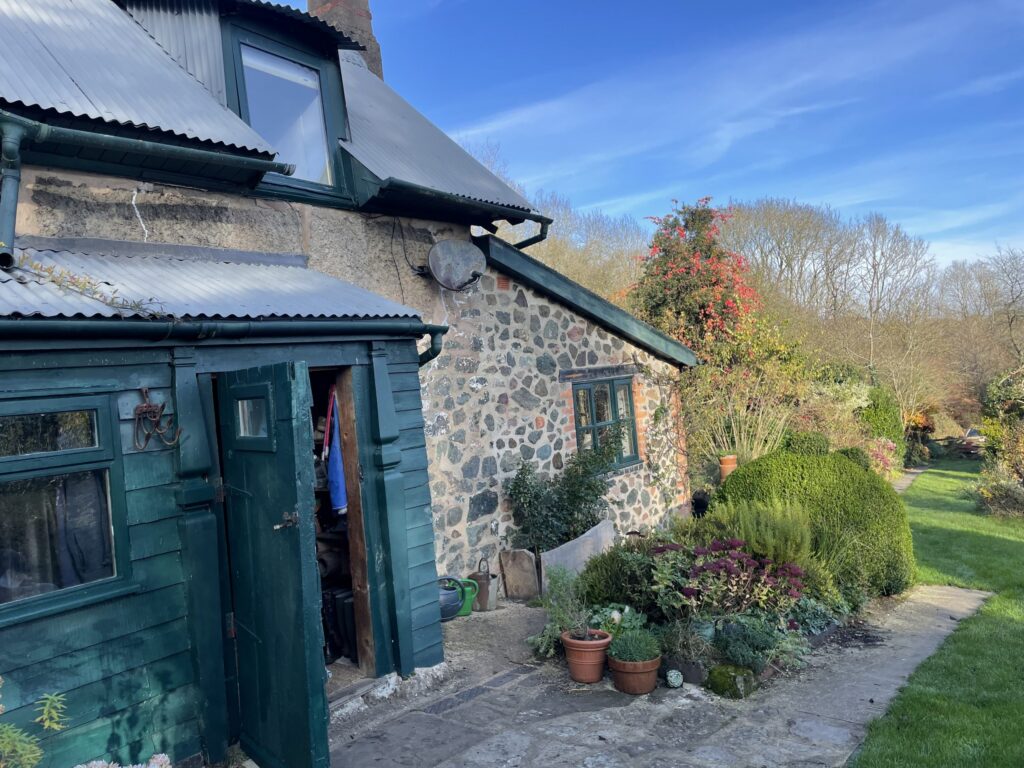
Many homes in the Cotswolds, the Forest of Dean and rural Gloucestershire aren’t on mains gas and rely on heating oil or LPG. These households currently get the higher £9,000 grant, until 31 March 2027, so they benefit most from the grant, and that higher rate ends on 31 March 2027.
The county also has a lot of older stone homes, which need a carefully designed system, with the right heat pump size and radiators, to work well. That makes a proper survey and heat loss calculation especially important. Our 1750s stone cottage project shows what’s possible. Read our guide to heat pumps in old Cotswold stone homes, and our £9,000 grant guide for oil and LPG homes.
New: the Warm Homes Loan Scheme
Separately from the grant, the government launched the Warm Homes Loan Scheme on 26 October 2026. It offers loans for low-carbon home upgrades through ten approved lenders, at rates up to five percentage points below their usual rates, and in some cases at 0%. Terms run from three to 30 years.
- air-to-water heat pumps: up to £20,000
- ground source heat pumps: up to £35,000
- solar panels: up to £15,000
- battery storage: up to £15,000
The loans can be used alongside the Boiler Upgrade Scheme grant. See our guide to how to pay for a heat pump, solar or battery for all the options. As MoneySavingExpert points out, some loans are secured against your home and long terms can add to the total cost, so check the terms carefully before you borrow.
What scrapping the gas standing charge means
The Budget confirmed that the daily standing charge on household gas bills will be scrapped in England, Scotland and Wales “in 2027 or as soon as possible after”. The cost, around £108 a year on a typical bill, will move into the price per unit of gas instead, adding roughly 1p per kWh. The government estimates a typical household will save about £45 a year, with low gas users gaining most and high gas users paying more. Electricity standing charges aren’t changing for now.
- Homes with a heat pump and no gas supply: no direct change, as you don’t pay gas charges. But closing your gas account will no longer save you a standing charge, as it does today.
- Homes still heating with a gas boiler: a higher price per unit of gas makes high gas use more expensive, which strengthens the running-cost case for a heat pump in larger or less efficient homes.
- Homes with a heat pump that keep gas for cooking: likely to benefit most, as they use very little gas.
- Oil and LPG homes: not affected, as the change applies to mains gas bills.
What doesn’t change
- Running costs. A well-designed heat pump costs the same to run whatever grant you received. And running costs are improving: Nesta reports the ratio of electricity to gas prices fell from 4.7 in January to 3.3 in October 2026. Read how to cut heat pump running costs.
- The case for good design. A properly sized system, with a room-by-room heat loss calculation, is what keeps bills low for the next 15 to 20 years. A cheaper, rushed installation can cost far more in the long run.
- Solar and batteries. Solar panels and battery storage aren’t covered by the grant anyway, and they still bring running costs down further when paired with a heat pump in a whole-home system.
If you were already planning a heat pump
- Get a survey booked. A survey and quote mean you’re ready to apply as soon as you decide. We apply for the grant on your behalf.
- Mind the March 2027 deadlines. The £9,000 oil and LPG grant and 0% VAT both end on 31 March 2027, and installers are likely to be busy in early 2027, so plan ahead.
Frequently asked questions
Has the heat pump grant changed?
No. The Budget on 28 October 2026 didn’t announce any change to the Boiler Upgrade Scheme, so you can still get £7,500 off an air source or ground source heat pump in England and Wales, or £9,000 if you’re replacing oil or LPG heating. The energy department still has to set out how it will meet its defence savings, so we’ll update this page if anything changes.
Is the £9,000 grant for oil and LPG homes still available?
Yes. The £9,000 grant for homes replacing oil or LPG heating runs until 31 March 2027, and the Budget didn’t change this. Many homes in the Cotswolds and the Forest of Dean qualify.
What if I’ve already applied or have a grant voucher?
Nothing in the Budget affects applications or vouchers already in progress. Your installer applies for the grant on your behalf, and the grant is confirmed as a voucher before the work goes ahead. If you’re one of our customers and anything changes, we’ll contact you.
Is 0% VAT on heat pumps ending?
0% VAT on heat pumps, solar panels, batteries and insulation is due to end on 31 March 2027, when the rate goes back to 5%. The Budget didn’t change this, although it did extend the separate VAT cut on household electricity bills to July 2027. Read more in our 0% VAT guide.
Should I go ahead now or wait?
If you were already planning a heat pump, there’s little to gain from waiting. A survey and quote cost nothing, and they mean you’re ready to apply as soon as you decide. What matters most is a well-designed system: don’t rush into a cheap installation just to beat a deadline. Here’s how to choose the right heat pump installer.
Can I use the Warm Homes Loan with the grant?
Yes. The Warm Homes Loan Scheme can be used alongside the Boiler Upgrade Scheme grant, so you could use the grant to reduce the cost and a loan to spread the rest.
Does scrapping the gas standing charge make a heat pump worse value?
Not really. Closing your gas account will save a little less than it does today, but gas will cost more per unit, which makes running a gas boiler more expensive for most homes that heat with gas. The running-cost case for a heat pump stays strong.
What it means for local installers
Sudden changes to the grant hit small, local installers hardest, because we invest in training, certification and staff months before the work comes in. We’ve written more about this in our post on what the Autumn Budget could mean for heat pumps and small installers.
Find out more about what we offer
PBT Installations is an MCS-certified installer based in Cheltenham. We design heat pumps, solar, batteries and controls together as one system, and look after them for years afterwards.
- Air source heat pumps: the simplest way to replace oil, LPG or gas heating in most homes
- Ground source heat pumps: for larger homes and plots with space for a ground loop or borehole
- Solar panels and battery storage: generate and store your own electricity
- Whole-home energy systems: everything designed to work together
- Heat pump servicing: annual servicing for our systems and Stiebel Eltron heat pumps fitted by others
- Does renewable technology add value to your home?: what the evidence on energy ratings and house prices shows
- Our projects: real installations across Gloucestershire and the Cotswolds
Whatever happens to the grant, we’ll give you a clear, itemised quote showing exactly what you’ll pay. We cover Cheltenham, Gloucester, Stroud, Cirencester, the Cotswolds and the Forest of Dean. Contact us or call 01242 323923.